telang.my — Butterfly Pea Flower Research Centre Malaysia

Scientific Research Centre · Malaysia

Butterfly PeaClitoria ternatea

Systematically investigating the therapeutic potential and phytochemistry of butterfly pea flower — from field to laboratory, unlocking the secrets of Malaysia's blue wonder for science and health.

N
Principal Researcher
Nurin Dhaifina Ameer Soekre
Clitoria ternatea Blue Butterfly Pea · Malaysia
Family: Fabaceae
47+
Studies Conducted
12
Active Compounds
8
Journal Publications
6
Natural Products
🌸 New Research-based butterfly pea products are now available
Discover Our Products

Scope of Our Studies

Our research spans multiple scientific aspects of butterfly pea flower, from phytochemistry to clinical applications.
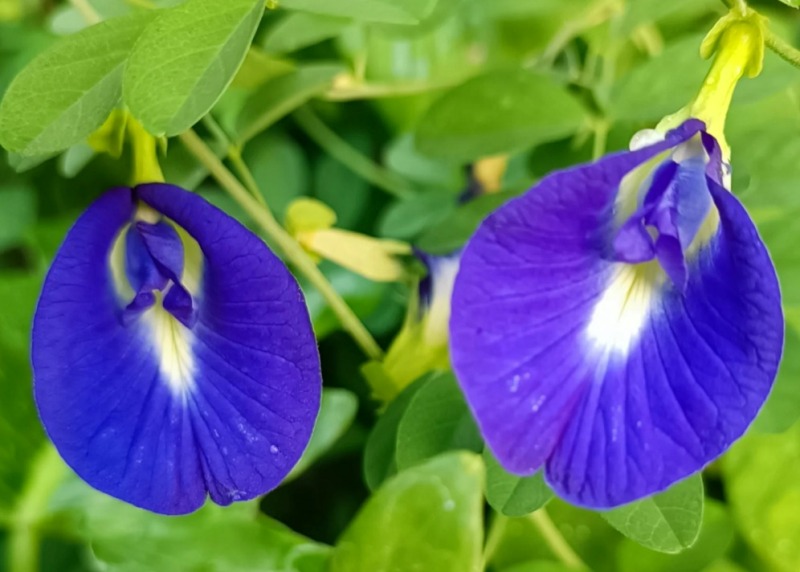
Bunga Telang Research
Clitoria ternatea · Field Study
🔬
Phytochemical Analysis

Extraction and characterisation of key bioactive compounds including anthocyanins, flavonoids, and cyclic peptides (cliotides) using HPLC and mass spectrometry.

Analytical Chemistry
🧠
Neuroprotective Activity

Investigating the effects of butterfly pea extracts on neuron protection, memory enhancement, and potential treatment of neurodegenerative disorders.

Neuroscience
⚗️
Antioxidant Capacity

Measuring antioxidant capacity using DPPH, ABTS, and FRAP assays — comparing various extraction methods and solvent systems.

Biochemistry
💊
Anti-Diabetic Potential

Evaluating the ability of extracts to inhibit α-glucosidase enzyme and regulate blood glucose levels in in vitro and in vivo models.

Pharmacology

What We Discovered

Outcomes of 5 years of systematic research using a range of modern analytical methods.

01
High Antioxidant ActivityAnthocyanins in butterfly pea flower show 3× higher antioxidant activity compared to green tea in DPPH assays.
02
α-Glucosidase InhibitionAqueous extract at 200 µg/mL successfully inhibited 68% of α-glucosidase enzyme activity.
03
Antimicrobial ActivityCliotides — unique cyclic peptides — demonstrated activity against 5 species of pathogenic bacteria.
04
Natural pH IndicatorBlue colour shifts with pH — potential as an organic pH indicator and safe natural food colourant.
Bioactive Compound Profile
Anthocyanin
88%
Flavonoid
72%
Proanthocyanidin
61%
Cliotides
45%
Kaempferol
38%
Natural pH Indicator — Colour Change Range
Acidic pH 1Neutral pH 7Alkaline pH 14

Our Publications

Research findings have been published in peer-reviewed scientific journals at national and international levels.

2024
Anthocyanin Profile of Clitoria ternatea from Various Regions in Malaysia
Journal of Agricultural and Food Chemistry
Read More →
2023
Anti-Inflammatory Activity of Butterfly Pea Cyclic Peptides: An In Vitro Study
Phytomedicine International
Read More →
2023
Neuroprotective Effects of Butterfly Pea Extract on SH-SY5Y Cell Model
Neuroscience Letters
Read More →
2022
Optimisation of Flavonoid Extraction Methods from Clitoria ternatea
Industrial Crops and Products
Read More →
2022
Anti-Diabetic Potential: α-Glucosidase Inhibition by Butterfly Pea Polyphenols
Food Bioscience
Read More →
+3
More Publications
View All

Interested in Joint Research?

We welcome collaboration with researchers, academic institutions, and industry partners interested in butterfly pea flower studies in Malaysia.

+601110231051 · telang.my